
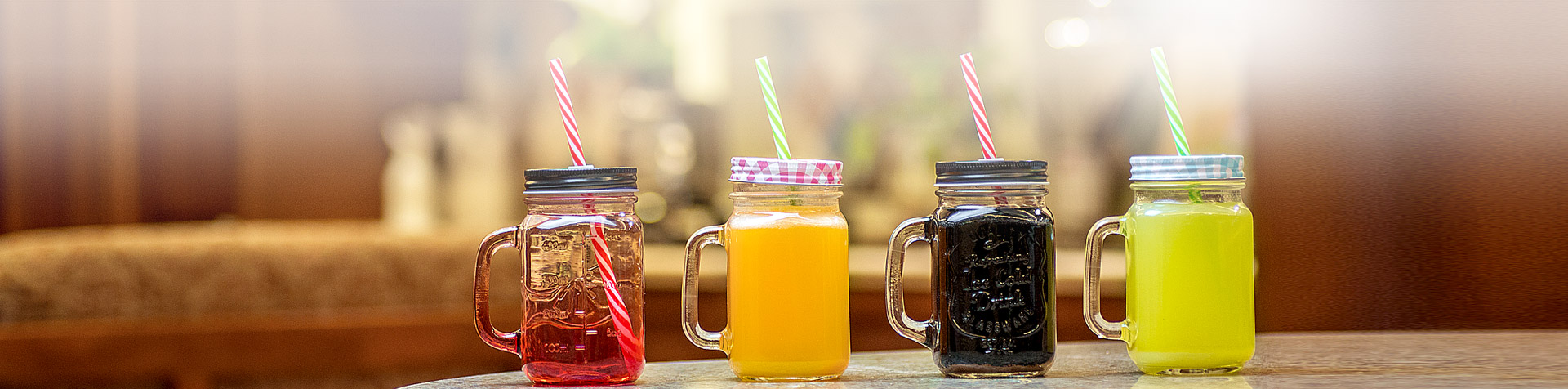



Mason jars are widely used for food storage, meal prep, and home canning. But many users still ask an important question: are mason jars microwave safe?
The short answer is: yes, mason jars are generally microwave safe—but only under specific conditions. Improper use can lead to cracking or even breakage due to thermal shock.
In this guide, we will explain how to safely use mason jars in the microwave, when to avoid it, and what risks you should know before heating food in glass containers.
Yes, most mason jars are microwave safe because they are made of thick, heat-resistant soda-lime glass. However, they are not designed specifically for microwave heating, which means safety depends on how you use them.
Mason jars are safe in the microwave only if:
The glass is not cracked or damaged
The jar is not taken directly from cold temperature (fridge/freezer)
The lid is removed before heating
Heating is done gradually, not at high power for long periods
If these conditions are not met, the jar may crack due to thermal stress.
Mason jars are made from durable glass that can withstand moderate temperature changes. Their thickness helps distribute heat more evenly compared to thin glass.
However, glass is still sensitive to thermal shock, which occurs when one part of the jar heats or cools faster than another.
For example:
Cold glass + hot microwave heat = high risk of cracking
Even heating = safer performance
This is why proper usage matters more than the material itself.
Even though mason jars are strong, there are several situations where they should NOT be used in the microwave:
❌ Directly microwaving a cold jar from the fridge or freezer
❌ Heating with a sealed lid
❌ Using jars with cracks, chips, or scratches
❌ Running long, high-power microwave cycles
❌ Heating dry or empty jars
These conditions increase internal pressure or uneven heat distribution, which can cause the glass to break.
If you want to safely heat food in a mason jar, follow these steps:
Always take off the metal or plastic lid before microwaving.
Never microwave an empty mason jar.
Let refrigerated jars sit at room temperature for a few minutes before heating.
Avoid high heat settings. Start with 30–60 second intervals.
This helps distribute heat evenly and reduces stress on the glass.
The jar may continue heating after microwave use.
Not all mason jars are created equal. While most standard brands like Ball or Kerr mason jars are microwave safe under proper conditions, some types should be avoided:
Type of Mason Jar | Microwave Safe? | Notes |
Yes (with caution) | Best performance for home use | |
Kerr Mason Jars | Yes (with caution) | Similar durability |
Not recommended | May not be heat-tested | |
Vintage or old jars | No | Higher risk of cracks |
Thin glass storage jars | No | Not designed for thermal stress |
Always check manufacturer guidelines when available.
Different glass types perform differently in microwave conditions.
Container Type | Microwave Safety | Key Difference |
Mason Jars | Medium | Thick but not fully thermal-shock resistant |
Borosilicate Glass | High | Designed for rapid temperature changes |
Soda-lime Glass Containers | Medium | Common but less heat-resistant |
Plastic (PP5) Containers | Medium/High | Microwave-safe but not heat-stable long term |
Among these, borosilicate glass offers the best safety for frequent reheating.
While mason jars are widely used, improper handling may lead to:
Sudden temperature changes can cause the glass to fracture.
Sealed lids trap steam and may cause explosions.
Hot spots inside thick glass may stress the structure.
Glass retains heat longer than plastic, increasing burn risk.
To reduce risk when using mason jars in the microwave:
Always heat in short intervals
Avoid extreme temperature changes
Do not overfill the jar
Use jars only for reheating, not cooking
Inspect glass before each use
These simple practices significantly improve safety.
For consumers, mason jars are a convenient storage solution. However, for food brands, restaurants, and packaging companies, glass safety depends on more than just thickness.
Industrial glass packaging must consider:
Controlled annealing processes
Thermal stability testing
Food-grade compliance standards
Real usage scenarios (microwave, refrigeration, transport)
At HUIHE, our glass food jars are manufactured under strict quality control and designed for stable performance in real-world food packaging applications. For brands developing custom packaging, glass composition and thermal resistance should always match the intended usage environment.
If you frequently reheat food, consider:
Borosilicate glass containers (best option)
Microwave-safe ceramic bowls
Certified PP5 plastic containers
These materials are specifically designed for thermal cycling and repeated microwave use.
Mason jars are generally microwave safe, but only when used correctly. The key risk is not the glass itself, but sudden temperature changes and improper usage.
For everyday home use, mason jars can safely reheat food when handled properly. However, for frequent heating or commercial applications, more specialized heat-resistant glass may be a better choice.








